
Gear and Upkeep
Types of Chainsaw Chains Explained
Learn the main types of chains for chainsaws by pitch, gauge, cutter shape and safety features, so you can match a chain to your bar and the work you do.
Chaps, helmets, sharpeners, chains, bars, fuel and storage for people who own a chainsaw.
Learn the main types of chains for chainsaws by pitch, gauge, cutter shape and safety features, so you can match a chain to your bar and the work you do.

Why is my chainsaw leaking bar oil? Most leaks come from an overfilled tank, a loose cap, a clogged vent or a worn oil pump. Here is how to find yours.

Compare the best chainsaw chaps for home use, including apron and wrap styles, fit details, protective layers and kits for yard work.

Compare the best chainsaw sharpener kits, electric tools and bench grinders. Find the right fit for field filing, workshop sharpening and regular chain care.

Choose chainsaw bar length by matching the bar to your saw, wood size, and cutting task. Learn what to check before changing bars or buying a saw.
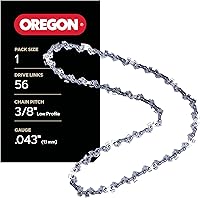
Find your chainsaw chain size by matching pitch, gauge, drive link count, and bar length to your saw. Learn how to check fit and choose a replacement.
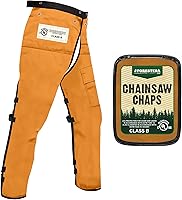
Learn what chainsaw chaps do, when to wear them, how to check fit and coverage, and what to know about saw compatibility before choosing a pair.

Choose a chainsaw helmet by comparing fit, head protection, visor type, and hearing protection. Find the right features for home cutting, firewood, or tree work.

Chainsaw safety gear for home use should cover your legs, head, eyes, ears and hands. Learn what to buy, how to check the fit and which tasks need extra care.

An electric chainsaw sharpener can make repeat sharpening faster and more consistent. Compare handheld and bench styles, setup needs, and when a file is enough.
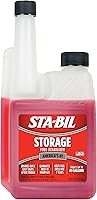
Learn how to store a chainsaw between jobs: clean it, protect the bar and chain, handle fuel based on storage time, and choose a dry, secure spot.