Which Chainsaw Brand Is Best for Home Use?
The best chainsaw brand for home use depends on the work and power source you need. Husqvarna, Stihl and ECHO offer gas options here, while EGO is a battery choice for homeowners who want cordless cutting without gas.
On this page (8 sections)
- Which chainsaw brand is best for home use?
- What should you compare between chainsaw brands?
- Which home-use chainsaw brands stand out?
- Which chainsaw brand should you choose?
- What safety gear should you use with a chainsaw?
- What is the best chainsaw brand for a first-time homeowner?
- Does brand matter more than the model?
- Final choice: match the brand to your yard
The best chainsaw brand for home use depends on what you cut, how often you cut, and whether you want gas or battery power. Husqvarna, Stihl and ECHO offer gas options, while EGO offers a battery saw.
Compare each model's weight, starting features and fit for your work before choosing.
For occasional yard work, start with the power source that suits your routine. A battery saw avoids fuel mixing and engine starting, while gas can suit homeowners who prefer a fuel-powered saw and are ready to maintain it.
The four examples below show how these brand choices differ. For a broader overview of engine types and trade-offs, see our plain gas chainsaw buying guide.
Which chainsaw brand is best for home use?
There is no single best chainsaw brand for every homeowner. The Husqvarna 120 Mark III leads these picks with a score of 8.9, followed by the EGO CS1611 at 8.5, the Stihl MS 162 at 8.2 and the ECHO CS-3510 at 7.9.
| Rank | Brand and model | Score | Power | Weight | Notable fit |
|---|---|---|---|---|---|
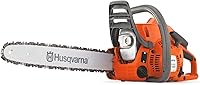
| 1 | Husqvarna 120 Mark III 16-inch gas chainsaw | 8.9 | Gas | 10.7 lb | Starting aids and vibration dampeners |
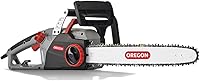
| 2 | EGO CS1611 16-inch chainsaw kit | 8.5 | Battery | 9 lb | Battery, charger and tool-free chain tensioning included |
| 3 | Stihl MS 162 16-inch gas chainsaw | 8.2 | Gas | 13.3 lb | A 16-inch gas option |
| 4 | Echo CS-3510 16-inch gas chainsaw | 7.9 | Gas | 8.2 lb | Lower weight and a starter designed to reduce effort |
Our scores weigh specs and features against what homeowners need from a chainsaw brand.
These weights are model-specific. They do not tell the whole story about balance, comfort or how a saw feels during a cut.
Brand service matters, too. Check whether an authorized dealer or repair shop is accessible where you live, and ask about parts and maintenance before buying.
What should you compare between chainsaw brands?
Compare the saw's power source, weight, bar length, starting method and maintenance needs. These details affect daily use more directly than a brand's reputation.
Does gas or battery power suit your work?
Gas models suit buyers who want a fuel-powered tool and are comfortable with engine upkeep. Follow the saw's instructions for fuel and oil, and plan for engine and air filter maintenance.
Battery models avoid gas fumes and engine starting. Run time depends on the battery and work, so consider whether you have a spare or already own compatible batteries.
The EGO CS1611 comes with a 56V 2.5Ah battery and charger. EGO says that battery can make up to 130 cuts on a 4x4, but wood and cutting conditions affect results.
How much does weight matter?
A lighter saw may be easier for some homeowners to handle, especially during repeated cuts. The Echo CS-3510 weighs 8.2 lb, the EGO CS1611 weighs 9 lb, the Husqvarna 120 Mark III weighs 10.7 lb, and the Stihl MS 162 weighs 13.3 lb.
Treat weight as one factor, not a comfort guarantee. Balance, grip, posture and cutting position matter, so read the safety instructions and choose a saw you can control confidently.
Is a 16-inch bar the right size?
A 16-inch bar is confirmed for the Husqvarna, ECHO and EGO examples here. The Stihl model name and title specify a 16-inch bar and chain.
The right length depends on the wood and the saw's instructions.
Check the manufacturer's bar guidance and match it to your usual work. Our guide to choosing a chainsaw bar length explains what to consider.
Which home-use chainsaw brands stand out?
The Husqvarna 120 Mark III ranks first among these examples, followed by the EGO CS1611, Stihl MS 162 and Echo CS-3510. Each model has a different fit based on power source, weight and features.
Husqvarna: a home gas saw with starting aids
The Husqvarna 120 Mark III is a 16-inch gas saw with an air purge system and combined choke/stop control to make starting easier and reduce the risk of engine flooding. It also has LowVib dampeners and an inertia-activated chain brake.
Husqvarna describes the saw for light firewood cutting, light felling and limbing. Its 10.7 lb weight is higher than the ECHO and EGO examples here, so consider how long you expect to handle it.
Choose this model if you want a gas saw with features aimed at easier starting and handling. Compare other brand models in our best gas chainsaws for home use guide.
EGO: a battery kit with charger included
The EGO CS1611 is a 16-inch battery saw that includes a 56V 2.5Ah battery and standard charger. It has tool-free chain tensioning, automatic oiling and a low-kickback chain design with a brake indicator.
EGO says the included battery can make up to 130 cuts on a 4x4. Wood and cutting conditions affect results.
Choose this saw if cordless convenience matters and its battery capacity fits your cutting plans. If you are comparing corded and battery options, see our best corded electric chainsaws guide.
Stihl: a 16-inch gas option
The Stihl MS 162 is a gas chainsaw with a 16-inch bar and chain and a weight of 13.3 lb. Its available specifications provide limited feature information, so ask a local Stihl dealer about its controls, maintenance and support before buying.
Its weight is the highest among these four examples. If you expect long sessions or frequent cuts, compare how the saw's weight and balance fit your strength and work.
Choose it when you want a Stihl gas model and can confirm it suits your tasks. Our Stihl vs Husqvarna chainsaw comparison looks at how those two brands fit different yards.
ECHO: a lighter gas saw for several home jobs
The Echo CS-3510 is a 16-inch gas saw with a weight of 8.2 lb. ECHO describes it for storm cleanup, light firewood cutting, light limb trimming and felling trees up to 28 inches in diameter.
ECHO says its i-30 starter reduces starting effort by 30 percent. The saw also has a 3-point spring vibration reduction system and an air injection air cleaner.
Choose it if you want a gas model with a lower weight than the other gas examples here. For a direct look at the brand trade-offs, read ECHO vs Husqvarna chainsaws.
Which chainsaw brand should you choose?
Pick the brand and model that match your work, power source preference and ability to handle the saw. Choose Husqvarna for its starting and vibration features, EGO for a battery kit, Stihl if local dealer support suits you, or ECHO for its lower weight among these gas examples.
Before buying, confirm the bar length and maintenance requirements in the owner's manual, check local service options, and make sure you can control the saw safely. For jobs above shoulder height or beyond your experience, hire a qualified tree professional.
What safety gear should you use with a chainsaw?
Wear chainsaw-rated protective gear and follow the owner's manual every time you cut. A helmet, eye and hearing protection, gloves, chainsaw chaps and sturdy footwear can help reduce exposure to cutting hazards.
Gear does not make risky cuts safe. Keep both hands on the saw, maintain stable footing, and avoid cutting above shoulder height.
Use a trained professional for trees or branches that may fall unpredictably.
Our chainsaw chaps guide explains what to check when choosing leg protection. For a broader checklist, see chainsaw safety gear for home use.
What is the best chainsaw brand for a first-time homeowner?
A battery model may be a simpler fit for occasional jobs if you want to avoid fuel handling. If you choose gas, compare starting features, weight and maintenance needs, then read the manual before use.
The EGO CS1611 includes a battery and charger, while the Husqvarna 120 Mark III has starting aids. Neither choice removes the need for training, safe handling and protective equipment.
Does brand matter more than the model?
The model matters more than the brand name by itself. Saw weight, bar length, power source, starting features and the work described by the manufacturer tell you more about fit than reputation alone.
Use brand service access as a final check. A nearby authorized dealer can help with maintenance questions, parts and repairs over time.
Final choice: match the brand to your yard
Choose Husqvarna if its starting and vibration features fit your needs, EGO if you want a battery kit, Stihl if local dealer support is important, or Echo if lower weight is a priority among these gas examples. For more options, compare our home-use gas chainsaw guide and the gas chainsaw buying guide.
Frequently asked questions
Which chainsaw brand is best for occasional home use?
Choose by power source and the tasks you expect to handle. A battery saw can suit occasional cutting when you want to avoid gas.
A gas saw may fit longer or heavier jobs, but it also requires fuel and engine upkeep.
Are Husqvarna and Stihl chainsaws equally good?
Both brands have home-use gas saws, but the right choice depends on the model and your needs. Compare bar length, weight, starting features and the wood you plan to cut.
A brand name alone cannot tell you whether a saw is manageable for your jobs.
Is ECHO a good chainsaw brand for homeowners?
ECHO offers gas chainsaws for home tasks. The CS-3510 is described for storm cleanup, light firewood cutting, limb trimming and felling trees up to 28 inches in diameter.
Check the saw's weight and your comfort handling it before choosing.
Is a battery chainsaw enough for home use?
A battery chainsaw can handle home jobs if its cutting capacity and battery supply match the work. The EGO CS1611 includes a 56V 2.5Ah battery and charger, and EGO says it can make up to 130 cuts on a 4x4 with that battery.
Actual results vary with wood and cutting conditions.