How Long Does a Chainsaw Last?
A chainsaw can last about 10 to 15 years with regular care, but heavy use, poor maintenance, and damaged parts shorten its useful life. The engine, battery system, bar, chain, and storage habits all affect how long the saw stays safe and practical.
On this page (11 sections)
- How long does a chainsaw last in normal home use?
- Which parts usually decide a chainsaw's service life?
- How long does a gas chainsaw last?
- How long do electric and battery chainsaws last?
- Can sharpening make a chainsaw last longer?
- When should you replace the bar or chain?
- What maintenance helps a chainsaw last longer?
- When should you repair a chainsaw or replace it?
- How long does a chainsaw last if it is stored correctly?
- Is a 10-year-old chainsaw still worth using?
- What is the best way to extend chainsaw service life?
A chainsaw can last about 10 to 15 years with regular care, though heavy cutting and neglected maintenance can shorten that range. Gas saws often remain useful for many seasons, while electric and battery models depend more on motor condition, battery support, and replacement parts.
The key question is not just age. A saw with a clean air filter, sharp chain, lubricated bar, fresh fuel, and working safety parts can outlast a newer saw that is overloaded or stored poorly.
How long does a chainsaw last in normal home use?
A chainsaw used for occasional storm cleanup, pruning, or firewood can stay useful for about 10 to 15 years. Service life depends on cutting hours, wood size, storage, maintenance, and whether worn parts are replaced.
A homeowner who cuts a few times each year puts less stress on the engine and clutch than someone who processes firewood every week. Light use still causes wear if the chain is dull, the bar is damaged, or the saw is stored with old fuel.
Age alone does not decide whether a saw is worth keeping. Check starting behavior, idle quality, chain movement, oiling, vibration, brake action, and the condition of the bar and chain.
Which parts usually decide a chainsaw's service life?
The engine or motor, clutch, chain, guide bar, oiling system, and safety brake usually decide how long the saw remains practical. Some wear gradually, while others can be replaced without retiring the machine.
On a gas saw, the fuel system, carburetor, ignition parts, air filter, starter, and exhaust affect starting and running. A worn clutch or sprocket can also make a saw feel weak even when the engine still runs.
Electric saws depend on the cord, switch, motor, drive sprocket, bar, and chain. Battery saws add the battery pack and charger to the ownership decision.
The bar and chain are wear parts, not proof that the whole saw has failed. Replacing them can restore cutting performance when the motor, body, controls, and safety systems remain sound.
Your routine matters too. A chainsaw for firewood needs enough power and a suitable bar for the wood you cut.
How long does a gas chainsaw last?
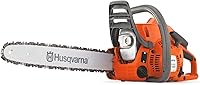
A well-maintained gas chainsaw can remain useful for 10 years or more, and moderate home use can extend its practical life beyond that. Fuel care and cleaning are especially important because stale gasoline can affect starting and engine operation.
Gas saws suit people who need longer cutting sessions and do not want a cord. They also have more service points, including the fuel system, air filter, spark plug, carburetor, and exhaust area.
Keep the chain sharp, clean the cooling areas, and store the machine in a dry place. Fuel left in the system during long storage can create avoidable problems.
How does fuel storage affect gas saw life?
Fuel storage affects starting reliability and fuel-system upkeep, especially when the saw sits unused. STA-BIL Storage Fuel Stabilizer treats 40 gallons and keeps fuel fresh for up to 24 months during storage, while helping protect against corrosion and ethanol damage.
Use the amount suited to the fuel volume and follow the chainsaw's storage process. The product is intended for gasoline and ethanol-blended fuels, including E-10 through E-85.
How long do electric and battery chainsaws last?
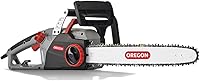
Corded electric and battery chainsaws can last many years when their motors, controls, bars, and chains stay in good condition. Battery models add one major variable: the battery pack may need replacement before the saw itself reaches the end of its useful life.
Corded models avoid fuel maintenance, but the cord, outlet, switch, and extension setup limit where you can work. Keep the cord away from the cutting path and stop using it if the insulation or plug is damaged.
Battery saws suit short jobs and quick cleanup. Their long-term value depends on whether compatible batteries and chargers remain available, and on how the pack is stored and charged.
A replacement chain or bar can keep either type cutting properly. Do not judge the motor by a dull chain, pinched bar, poor lubrication, or a clogged cutting area.
Can sharpening make a chainsaw last longer?
Yes, regular sharpening can extend useful saw life by reducing the force needed to cut. A sharp chain makes clean chips, while a dull chain creates fine dust, increases pressure, and adds heat and strain.
Sharpen the chain when it stops pulling itself into the wood, cuts at an angle, or produces dust. Remove damaged cutters and keep the depth-gauge relationship consistent so the chain cuts evenly.
Which file kit suits a 3/8-inch chain?
The Husqvarna 3/8-inch chainsaw file kit suits chains that use the matching 3/8-inch pitch. It includes a file handle, combination file guide with a 2-in-1 roller guide and depth gauge, 2 round files, and 1 flat file.
The kit covers Husqvarna chain types including H42, H45, H46, H47, H47S, H48, H48S, H50, H51, H54, H80, and H81. Use the correct file size and angle for your chain.
When should you replace the bar or chain?
Replace the chain when cutters are damaged or too short to sharpen safely, and replace the bar when its rails, groove, or nose are worn. A new bar and chain can restore cutting performance when the power system remains sound.
A worn bar can cause poor tracking, uneven cuts, and extra stress. A worn chain can cut slowly even when the engine or motor runs normally.
Who is the Oregon bar and chain combo for?
The Oregon 16-inch bar and chain combo (56 drive links) fits saws using a 16 in bar, 3/8 in low-profile chain, .050 in gauge, 56 drive links, and the A041 motor mount. It is designed for saw sizes up to 42 cc.
The chain uses a semi-chisel design and Oregon's LubriTec oiling system. The compatible model list includes examples from Craftsman, ECHO, Earthwise, Homelite, Makita, Oregon, Poulan, Ryobi, and Wen.
Match pitch, gauge, drive-link count, and mount before ordering. Similar-looking parts can still be incompatible.
What maintenance helps a chainsaw last longer?
Clean the saw after cutting, sharpen the chain, keep the bar lubricated, and store the machine correctly. These steps reduce strain and help you notice wear before it becomes a safety problem.
Clear sawdust from the chain brake area, cooling openings, sprocket cover, and bar groove. Inspect the chain for damaged cutters, loose drive links, and uneven wear.
Keep the bar oil system working so the chain and guide bar do not run dry. A dry cutting system creates heat and accelerates wear.
Gas saw owners should manage fuel during storage. Battery saw owners should keep packs and chargers dry and follow the battery maker's storage guidance.
If you carry the saw between jobs, read how much a chainsaw weighs before choosing a larger replacement.
When should you repair a chainsaw or replace it?
Repair a chainsaw when one or two replaceable parts cause the problem and the body, controls, and safety systems remain sound. Replace it when major faults combine with poor cutting performance or unsafe controls.
A new chain, bar, file, fuel treatment, or filter can solve a maintenance problem. These repairs make sense when the saw starts, idles, oils, and stops correctly after service.
Replacement becomes more reasonable when the engine has severe internal wear, the motor or battery system is failing, or structural damage affects control. Repeated stalling, uncontrolled chain movement, brake failure, and cracked housings need immediate attention.
For a gas model, compare repair needs with the effort of continued fuel-system maintenance. A gas chainsaw for home use can be a better fit when your current saw is too small for regular firewood work.
How long does a chainsaw last if it is stored correctly?
Good storage can add useful seasons by preventing fuel trouble, corrosion, moisture damage, and chain wear. Clean the saw before storage, protect the bar and chain, and prepare the power system for the storage period.
For a gas saw, handle fuel according to the machine's storage procedure. A stabilizer can help keep gasoline fresh, but it does not replace cleaning, lubrication, or inspection.
For a battery saw, remove the battery when appropriate, keep the battery and charger dry, and avoid extreme storage temperatures.
Store the saw where it cannot fall, where children cannot reach it, and where moisture does not collect. Before cutting again, inspect the chain, bar, brake, controls, fasteners, and oiling system.
Is a 10-year-old chainsaw still worth using?
A 10-year-old chainsaw can still be worth using if it starts reliably, cuts properly, and passes a careful safety inspection. Age matters less than the condition of the motor, bar, chain, brake, controls, and housing.
Continue using it when the needed work is limited to routine maintenance or replaceable wear parts. A clean, well-stored saw with a sharp chain may be more useful than a newer neglected machine.
Choose replacement when repairs keep returning, parts are difficult to source, or the saw cannot stop the chain correctly. Do not use a saw with cracked structural parts or a faulty safety brake.
For a particular brand, compare size, controls, and workload in our guide to the best Husqvarna chainsaw.
What is the best way to extend chainsaw service life?
The best way to extend chainsaw service life is to keep the chain sharp, the bar lubricated, the saw clean, and the storage routine consistent. Replace worn parts before they force the motor or engine to work harder.
Use STA-BIL Storage Fuel Stabilizer when preparing compatible gasoline for storage, the Husqvarna file kit for compatible 3/8-inch chains, and the Oregon bar and chain combo when your saw matches its 16 in, .050 in, 56-drive-link setup.
The answer to how long does a chainsaw last is practical: expect about 10 to 15 years from a cared-for home saw, then judge it by condition and workload. Keep it if maintenance restores safe operation, and replace it when major wear or safety faults make continued use unreasonable.
Frequently asked questions
How often should a chainsaw chain be sharpened?
Sharpen the chain whenever it produces fine dust instead of chips, cuts unevenly, or needs more pressure to move through wood. Frequent cutting can require sharpening during the same work session, while occasional users may sharpen after each major job.
Is it worth repairing an old chainsaw?
Repair an old chainsaw when the fault is limited to a replaceable chain, bar, fuel part, or maintenance item. Replacement makes more sense when several major systems are failing, repair costs are high, or the saw cannot cut safely after basic service.
Does unused fuel damage a chainsaw?
Old fuel can create starting and running problems in a gas chainsaw, especially after long storage. Empty or stabilize fuel according to the saw's instructions, keep the tank sealed, and store the machine away from heat and moisture.