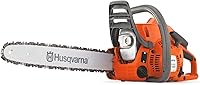
Can You Use a Chainsaw on Wet Wood?
Yes, you can use a chainsaw on wet wood, and many people do. Wet wood changes how the saw behaves, though, so slow down, keep the chain sharp, and watch for the kickback that damp bark and swollen fibers can create.
On this page (9 sections)
- Can you use a chainsaw on wet wood without damaging the saw?
- Why does wet wood behave differently under a chainsaw?
- How do you cut wet wood safely?
- Does wet wood dull the chain faster?
- What kind of chain and bar work best in wet conditions?
- How do you handle wet wood when it's meant for firewood?
- How do you care for a chainsaw after cutting wet wood?
- When should you wait for the wood to dry?
- The bottom line on cutting wet wood
Yes, you can use a chainsaw on wet wood, and a damp log often cuts just fine. Wet wood changes how the saw behaves, though, so slow your feed rate, keep the chain sharp, and watch for the slip and kickback that damp bark and swollen fibers can create.
The short answer for a homeowner is that a chainsaw handles wet wood well when the chain is sharp and the log is set firmly. The risks come from the conditions around the wood, not from the moisture itself.
Can you use a chainsaw on wet wood without damaging the saw?
Yes, cutting wet wood won't damage a properly maintained chainsaw. The bar and chain cut fiber whether the fiber is dry or damp, and the engine doesn't know the difference.
What does change is how the work feels. Wet fibers bind the bar more, so you lean on the saw more than usual.
A wet chain also flings more spray, which coats the saw, your chaps and your glasses with damp sawdust.
The bigger wear factor is grit. Damp bark holds soil that a dry log would shed, and that soil grinds the cutters.
Brush loose dirt off each log before the chain touches it.
Sap and damp sawdust pack the sprocket cover faster in wet conditions. Clear it at the end of each session so it doesn't harden.
Why does wet wood behave differently under a chainsaw?
Wet wood cuts heavier because damp fibers swell and bind the bar, and the moisture adds weight to the log itself. A green or rain-soaked piece takes more effort to move and to hold steady.
- Swollen fibers drag on the bar and load the engine more than dry, brittle wood does.
- Slippery bark makes the log harder to hold and raises the chance it rolls or shifts.
- More spray throws a mix of water and sawdust, which reduces your footing and coats your gear.
- Heavy logs are harder to set up on a sawhorse before the cut.
None of this means wet wood is off limits. It means you plan the setup and the pace before you start the saw.
How do you cut wet wood safely?
Set the log on firm ground or a sawhorse so it can't roll, grip the saw with both hands, and feed it slower than you would in dry wood. Safety comes down to a stable log, a sharp chain and a steady stance.
Setting up the log
Don't cut a damp log that's lying loose on a slope. Use a sawhorse or a log cradle, or roll the piece into a shallow depression so it sits still.
Clear your feet and your escape path before you start the cut. Wet ground hides roots and slick spots that catch a boot.
The cut itself
Keep both hands on the handles and your thumbs wrapped. Feed the saw at a moderate pace and let the chain clear the cut rather than forcing the bar through.
Watch for pinch when the log settles. A wet log can close on the bar more suddenly because the fibers give rather than split.
Protecting yourself from the spray
Wear chainsaw chaps rated for the saw's speed, plus eye protection that seals against mist. The spray off wet wood carries sawdust into eyes more easily than dry cutting does.
Keep the tip of the bar clear of the log and anything else. That tip is where kickback starts, and a wet, slick log gives less warning before it shifts.
Does wet wood dull the chain faster?
Wet wood itself doesn't dull a cutter, but the soil and grit carried in damp bark do. Dirt is the main thing that rounds a chain's cutting edge.
The damp surface holds debris against the fibers. A muddy log from a wet yard wears a chain faster than a clean log from a woodpile.
Knock each piece against a stump or scrape it before cutting.
Cutting close to the ground makes it worse. Lifting logs onto a sawhorse keeps the chain away from the dirt layer and helps it stay sharp longer.
A sharp chain also cuts wet wood more safely. A dull chain pushes the saw harder, and the extra force makes kickback more likely when the bar catches.
What kind of chain and bar work best in wet conditions?
A sharp, properly tensioned chain on a bar with good oiling handles wet wood best. Moisture makes oiling more important, not less, because damp sawdust and sap clog the bar's oil channels.
Oregon's S56 chain uses its LubriTec oiling system, which keeps the chain and guide bar oiled to reduce friction. That matters when wet chips are already competing for the oil holes.
Keep the chain tension on the snug side and check it more often. Wet cutting can stretch a chain slightly and throw it more easily if the tension is loose.
Matching a bar and chain to the saw
The Oregon 16-inch bar and chain combo is built for saws up to 42 cc, with 3/8-inch low profile pitch, .050-inch gauge and 56 drive links. It fits models such as the Craftsman CMECS600, ECHO CS310, Homelite UT43104 and Ryobi RY3716.
Check your saw's bar length, pitch and drive link count before ordering. A combo that doesn't match won't seat on the drive sprocket correctly.
Keeping the edge sharp
A file kit makes the after-cut touch-up quick. The Husqvarna kit includes a handle, a combination file guide with a depth gauge, two round files and a flat file, and it's made for 3/8-inch pitch chains.
The guide holds the filing angle, which takes the guesswork out of sharpening. Touch up the chain when the saw starts pulling or throwing fine dust instead of chips.
How do you handle wet wood when it's meant for firewood?
Cut and split damp or green logs while they're fresh, then season the pieces in a dry, airy stack. Firewood doesn't need to be dry before it's cut; it needs to be dry before it's burned.
Green wood splits more easily than seasoned wood. Cutting and splitting soon after felling saves effort and gets the drying clock started sooner.
Stack split pieces off the ground with air gaps between rows, and cover the top only. Damp wood cut and stacked in a loose pile dries faster than whole logs left in the round.
A moisture meter or a dry-weight check tells you when the pieces are ready. Burning wet wood wastes heat, smokes heavily and coats the chimney with creosote.
For saws that suit firewood work, compare chainsaws for cutting firewood.
How do you care for a chainsaw after cutting wet wood?
Wipe the saw dry, clear damp sawdust and sap from the sprocket cover and bar, and re-oil the chain before storage. Water left on steel and aluminum starts corrosion quickly.
Take the bar and chain off for a proper clean if the wood was especially sappy or dirty. Scrape the bar groove with a thin tool and clear the oil holes.
Check the air filter area too. Damp dust can clog a filter faster than dry sawdust, and a choked filter makes the engine run hot.
Store the saw in a dry place, not a damp shed or a truck bed that collects rain. Let the saw dry fully before you put it away.
Fuel care when the saw sits longer
If wet weather keeps the saw in the shed for a while, fuel goes stale. STA-BIL Storage Fuel Stabilizer keeps gasoline fresh for up to 24 months during storage and helps protect against corrosion and ethanol damage, and it's effective in ethanol blends from E-10 through E-85.
Add it to the fuel can so a long break between cutting days doesn't leave you with a saw that won't start. For the full routine on fuel and starting, see how to mix gas for a chainsaw.
When should you wait for the wood to dry?
Wait when the wood is too slick or heavy to set up safely, or when the ground around it is soft enough that you can't get a steady stance. Most damp logs can be cut straight away.
Wait after heavy storms until water has drained off the log surface. Freshly flooded ground makes the work area unstable, and a log that's been rolling in water is hard to control.
If the wood is meant for firewood, cutting soon is fine. If you only need a few boards or clean lumber from a wet piece, letting the surface dry reduces spray and makes the cut easier to control.
Don't wait for fully seasoned wood just to cut it. Wet wood is cuttable, and the seasoning happens in the stack afterward.
A gas chainsaw set up with a sharp chain handles damp logs without complaint.
The bottom line on cutting wet wood
You can use a chainsaw on wet wood safely as long as the log is steady, the chain is sharp and you keep both hands on the saw. Feed it slower, watch for pinch and clear the spray as you go.
Pick a sharp chain and good oiling first, set up the log so it can't roll, and clean and dry the saw afterward. If you cut for firewood, split and stack while the wood is fresh and let the stack handle the drying.
Do the small jobs in wet weather and leave the heavy felling for dry ground. That rule keeps the saw in good shape and keeps you out of the slipperiest situations.
Frequently asked questions
Can you use a chainsaw on wet wood?
Yes, a chainsaw cuts wet wood fine. Damp fibers cut a little harder and throw more spray, so keep your chain sharp and feed the saw at a steady pace.
The bigger risks are a slippery log and a wet, unsteady grip, not the wood itself.
Is it safe to cut a wet log with a chainsaw?
It can be safe with the right setup. Set the log on firm ground or a sawhorse so it doesn't roll, keep both feet clear of the bar, and use a sharp chain.
A slippery, damp log makes kickback more likely, so grip with both hands and keep your stance wide.
Should you let wet wood dry before cutting it for firewood?
For firewood, cutting while it's green or damp is often easier than waiting. Logs split and handle well when freshly cut.
Season the split pieces afterward in a dry, airy stack, and let a moisture meter or dry weight tell you when they're ready to burn.
Can you cut wet wood with an electric chainsaw?
Yes, a corded or battery electric saw cuts damp wood too, and there's no fuel engine to worry about. The main caution is the same one for a gas saw: water near the tool, the outlet and the bar.
Use a cord rated for outdoor use and keep the saw's motor dry.